

Brand storytelling is the consistent way a business explains who it is, what it makes or does, why it can be trusted and who it is for, across its website, content, ads and sales conversations. In practice it is built from a handful of real ingredients: proof, people, product, origin, process, customer context, photography and language. When those are used consistently, customers come away with a clear sense of the business. When each channel tells a different version, or the story is invented for effect, it does not work.
That last point is where a lot of brand storytelling goes wrong. The idea gets treated as permission to write a founding myth or a grand mission statement. Customers are good at telling the difference between a story that explains something real and one that is decoration. The useful version is closer to good reporting than to fiction.
What brand storytelling is made of
Proof. What the business has actually done: projects, results with their context, products that have earned their reviews. Proof is the part of the story customers check.
People. Who makes the product, does the work or answers the phone. Named people with real roles make a business easier to trust than an anonymous "we".
Product. What it is, what it is made of, how it works and what makes it different, explained specifically enough that the customer can compare it.
Origin. Where the business came from and why it exists, told briefly and truthfully. Origin matters most when it explains something about the product.
Process. How the work is done. For a service business, process is often the most persuasive part of the story because it shows the customer what will actually happen.
Customer context. Who the product or service is for and the situations it is used in. This is where the customer recognises themselves.
Photography. The images that carry all of the above. In most channels, people see the photography before they read a word.
Language. A consistent tone of voice and vocabulary, so the business sounds like itself everywhere.
Origin stories that explain something
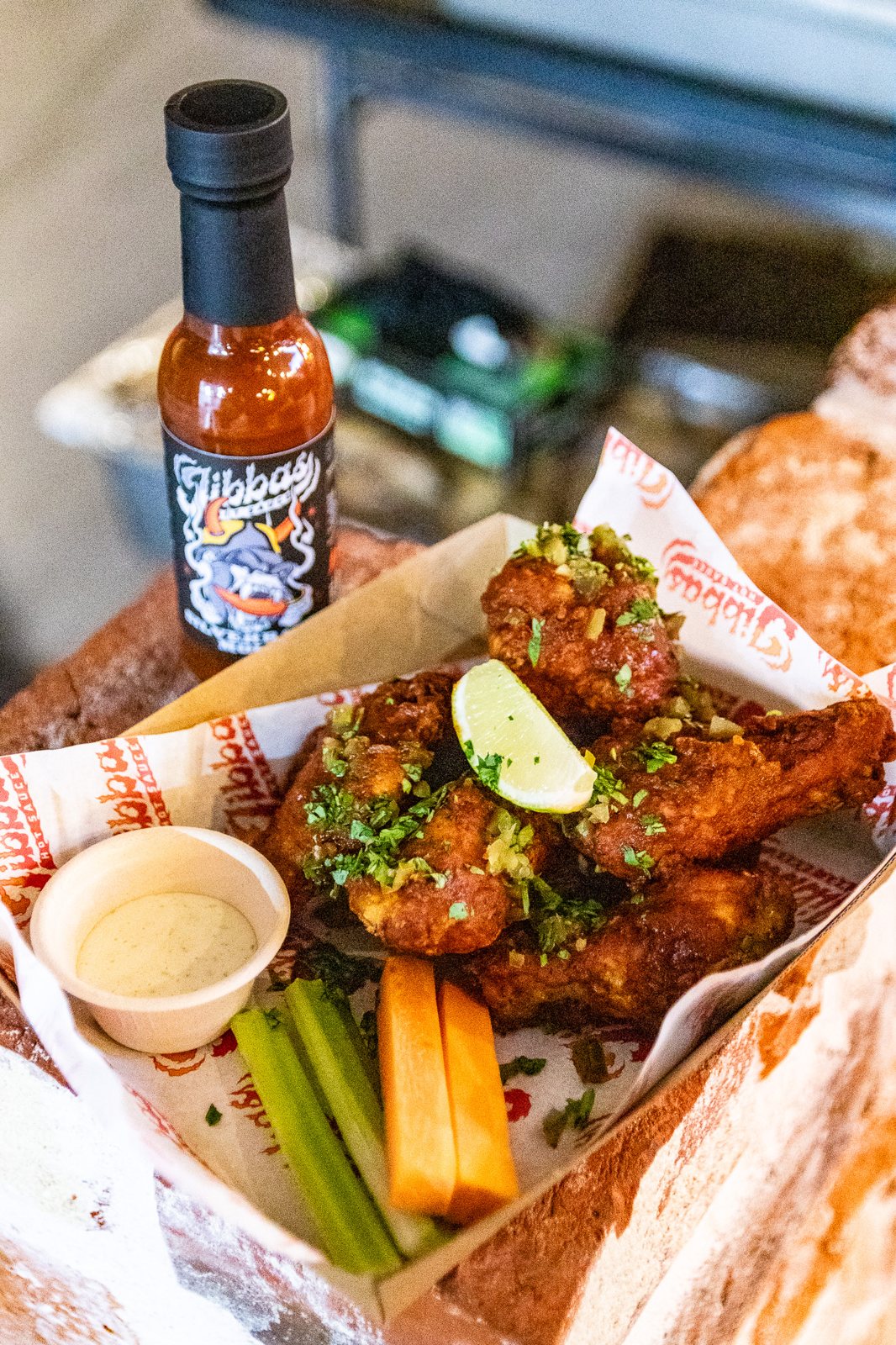
Some businesses have an origin story that genuinely does work. Jibba's Hot Sauce is a small-batch hot sauce maker from Busselton in Western Australia, and when the founder's interview at the Perth Royal Show went viral, that moment became part of the brand's story. FORJ developed the website and has run the marketing since, so the business could keep selling online after the moment passed. The story works because it is true, specific and connected to the product.
Most businesses do not have a viral moment, and they do not need one. An origin story can be as simple as why the founder started, what they noticed was missing, or how the product is made differently.
Stories built from place and experience
For Wise Wine, a winery, restaurant and distillery at Eagle Bay in the Margaret River region, the story is the place and the experiences around it: the cellar door, the restaurant, weddings, and the charity partnerships FORJ manages on the winery's behalf. The new Shopify store being built for Wise gives each of those its own hub within one site, so the website tells the same story a visitor would experience in person.
Where it actually matters
Brand storytelling earns its keep in a few specific places:
- The homepage and about page, where new customers decide whether the business is credible.
- Service and product pages, where proof and process do more than adjectives.
- Case studies, which are stories with evidence attached.
- Paid social, where a clear product story and genuine customer words give people a reason to stop scrolling.
- Sales conversations, where the team should be telling the same story the website tells.
It matters least where customers want plain information quickly, such as a returns policy, a delivery page or a checkout. Those pages should be clear, not narrative.
Common mistakes
- Writing a mission statement nobody would say out loud.
- Telling a story about the business when the customer wants to know about the product.
- Using stock photography that contradicts the story being told.
- Inventing or exaggerating testimonials and reviews. Beyond being unconvincing, the ACCC's guidance on online reviews makes clear that fake or misleading reviews can breach the Australian Consumer Law.
- Telling a different story on every channel because different people or suppliers wrote each one.
How to make it consistent
Start by writing down, in plain language, the few things you want every customer to understand about the business. Gather the proof that supports each one: projects, reviews, photographs, numbers with context. Then check the website, social channels, ads and sales material against that list. Where they disagree, fix the structure and the proof first, and the words second.
Photography is usually the fastest way to make a story feel real. Our article on product photography and video for ecommerce covers how we plan content for every channel, and what brand identity is covers the visual system the story sits within.
If the business has plenty to say but the website and content are telling different stories, start by fixing the structure and the proof. Our content work covers photography, video and the material that carries the story, and our website design work covers how it is structured online.
Sources
- ACCC, Online reviews for products and services. Checked .