Ecommerce product photography has to do several jobs at once. It has to show the product clearly enough on a phone that someone will buy it without picking it up, give marketplaces and shopping feeds the clean images they require, supply paid social with enough variety to keep ads from going stale, and give the website and email something worth looking at. The way to get all of that from one shoot is to plan it from the channels backwards: list where every image and clip will run, in what format, and how many you need, before anyone sets up a light.
Most of the content problems we see come from doing it the other way round. A shoot is planned for the website, then the ads, marketplace listings and email are filled with crops that were never meant for them. The images might be good photographs and still be the wrong assets.
Start with where the content will run
Before a shoot, we write a shot list against each channel:
- Product pages. The primary image, alternate angles, detail, scale and in-use shots for every product or variant that needs them.
- Collection pages. Images that work consistently in a grid, at the same crop and background, so the range reads as a set.
- Marketplaces and shopping feeds. Clean images that meet each platform's rules.
- Paid social. Vertical and square formats, with space for text, plus short video.
- Website banners and campaign pages. Wide formats with room for headlines on desktop and a workable crop on mobile.
- Email. Images that read at a small size, often cropped tighter than the website versions.
That list decides the number of setups, the formats to shoot in and the time needed. It also stops the most common gap: a campaign launching with plenty of product shots and nothing that works as a vertical video.
Product detail
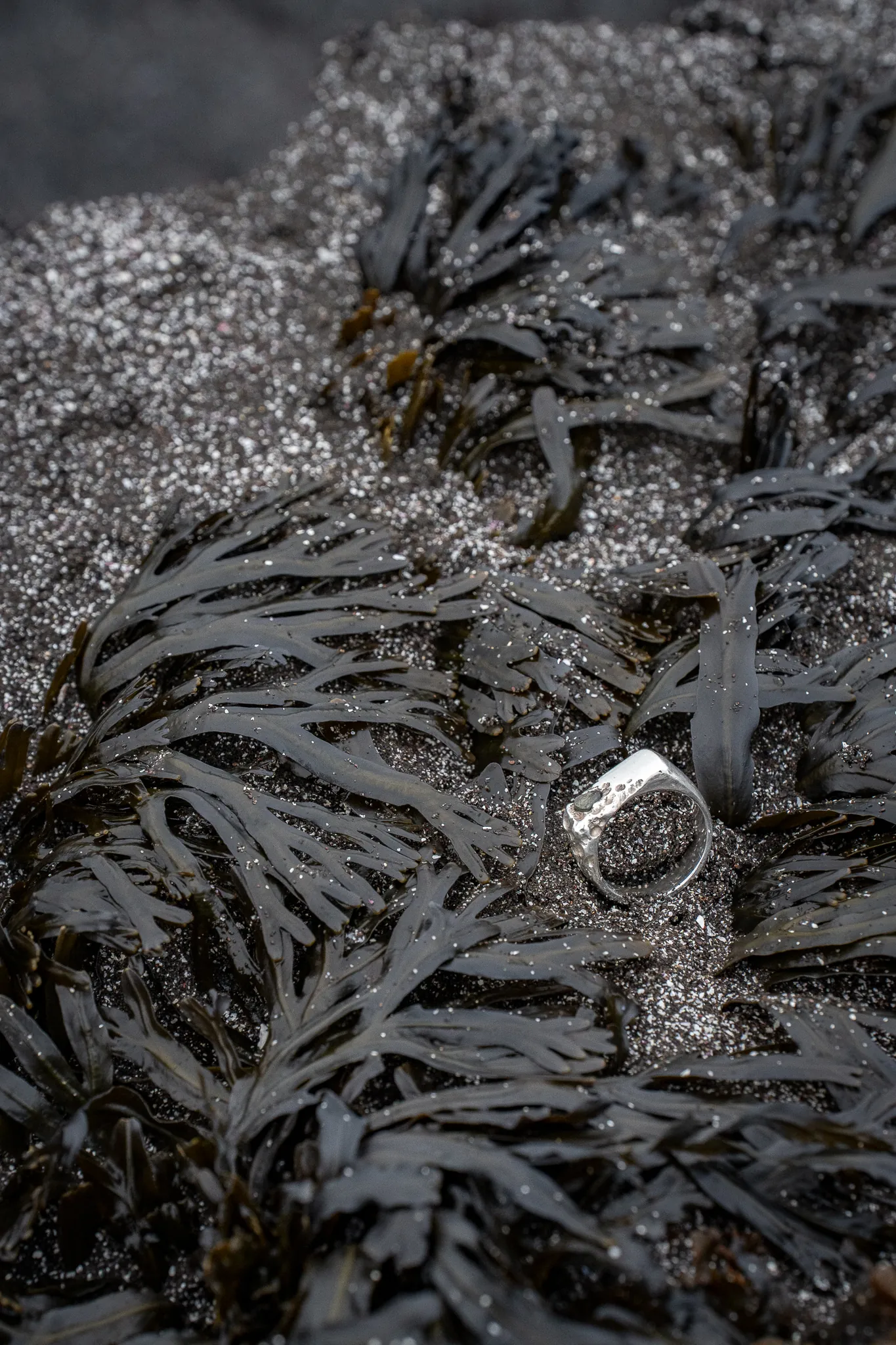
Detail shots answer the questions a customer would answer by holding the product: the texture of a material, the finish on a metal, how a clasp closes, what a port or button looks like. For jewellery that might mean close work in natural textures; our photography for Stag Jewellery placed silver rings in sand and seaweed so the finish and scale read clearly. For technical products, it means showing the parts people ask about.
Context and lifestyle
Lifestyle images show the product in use, at its real scale, in the kind of setting the customer imagines for it. They do a lot of work in ads and on collection and landing pages, and they answer the scale question better than any dimension table. For Swann Security's smart cameras and video doorbells, FORJ produced a set that ran from product close-ups to images of the products in use, delivered as assets for the website, marketplaces and digital campaigns.
Marketplaces and shopping feeds
Marketplaces and Google Shopping have their own image rules, and it is worth shooting with them in mind. Google Merchant Center, for example, requires product images of at least 500 by 500 pixels and recommends 1500 by 1500 or larger, wants an unobstructed view of the product, and does not allow promotional text, watermarks or calls to action on the image. Its image requirements also cover variants and AI-generated images. Shooting clean versions alongside styled ones avoids having to retouch them later.
Paid social creative
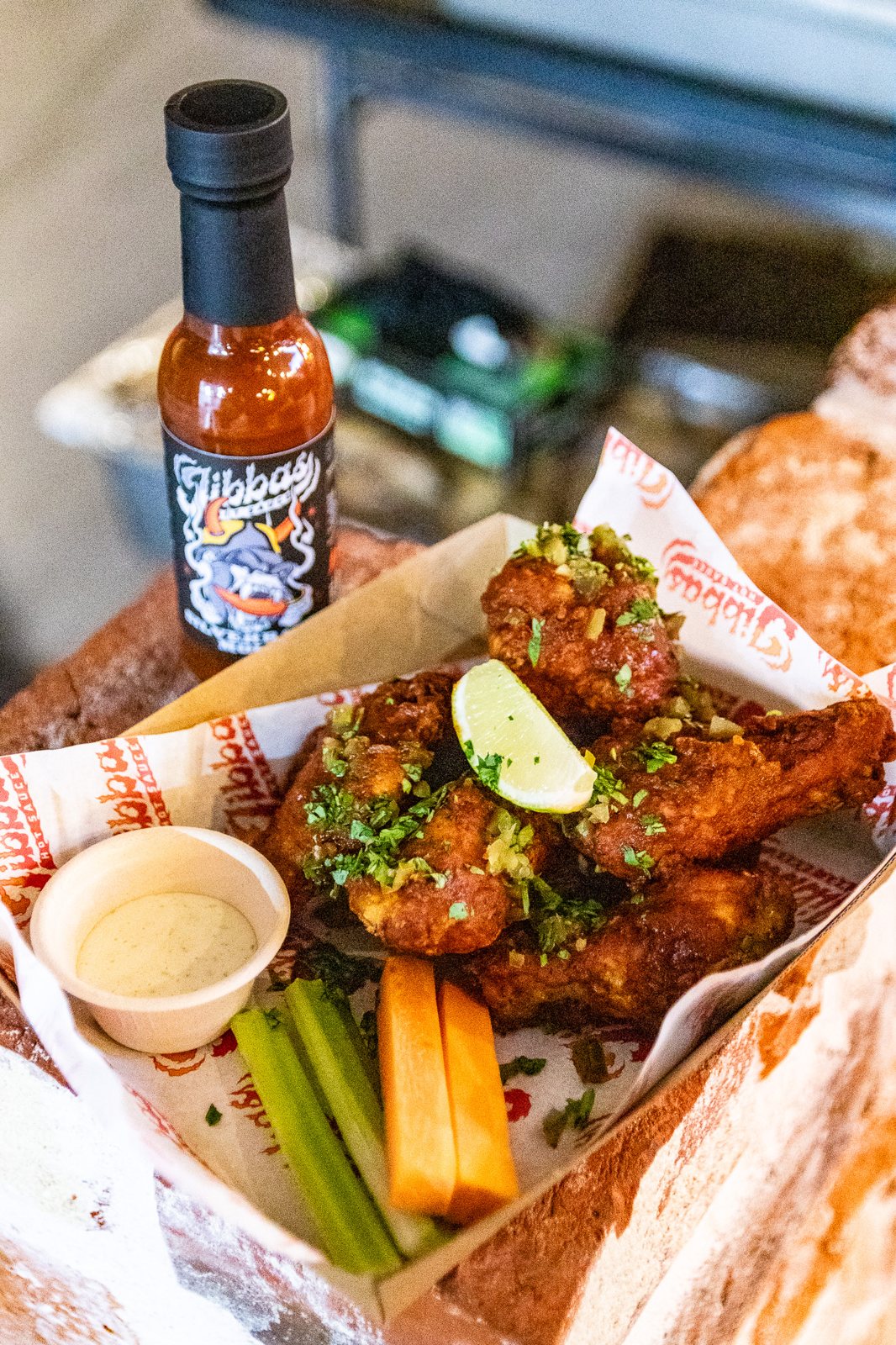
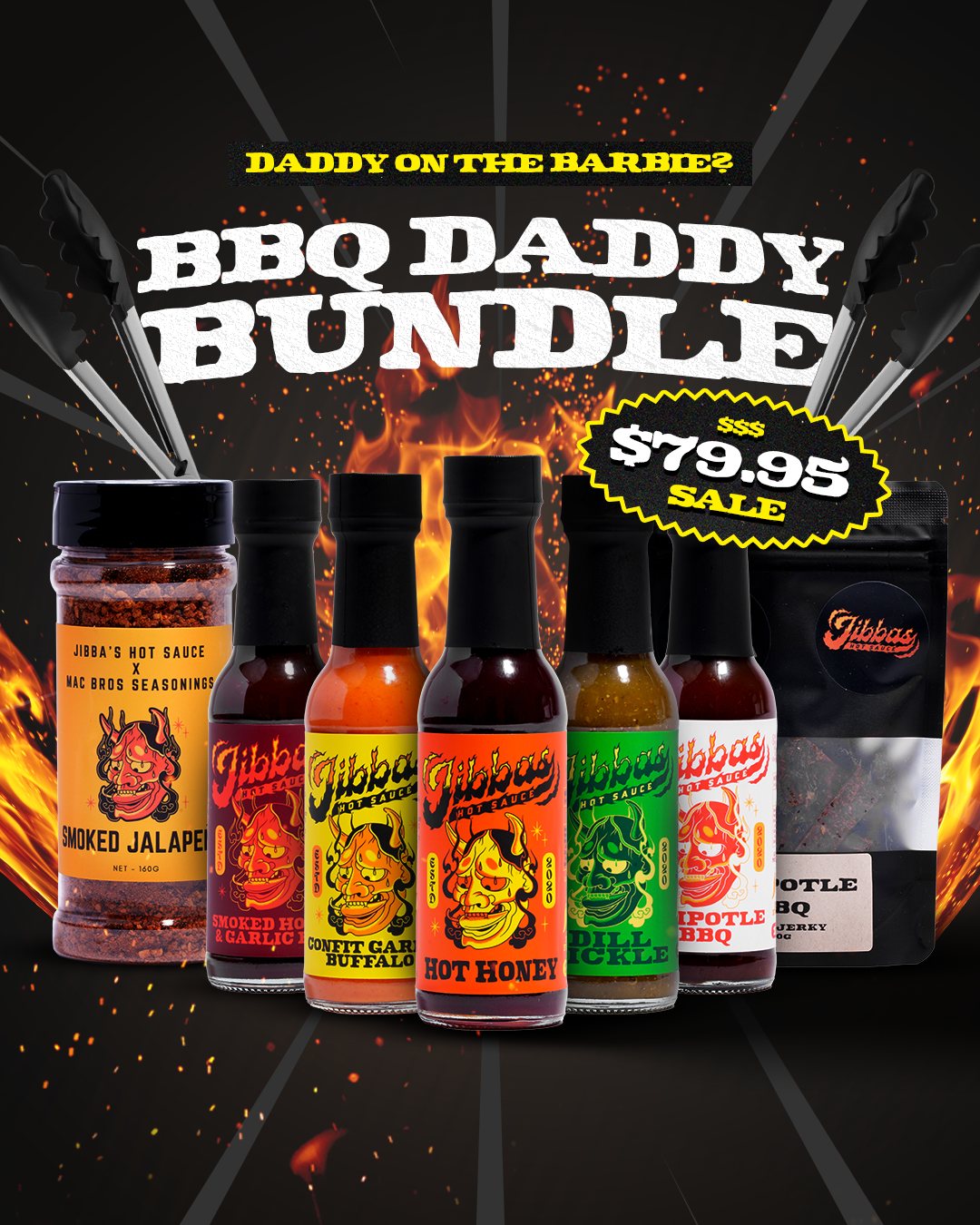
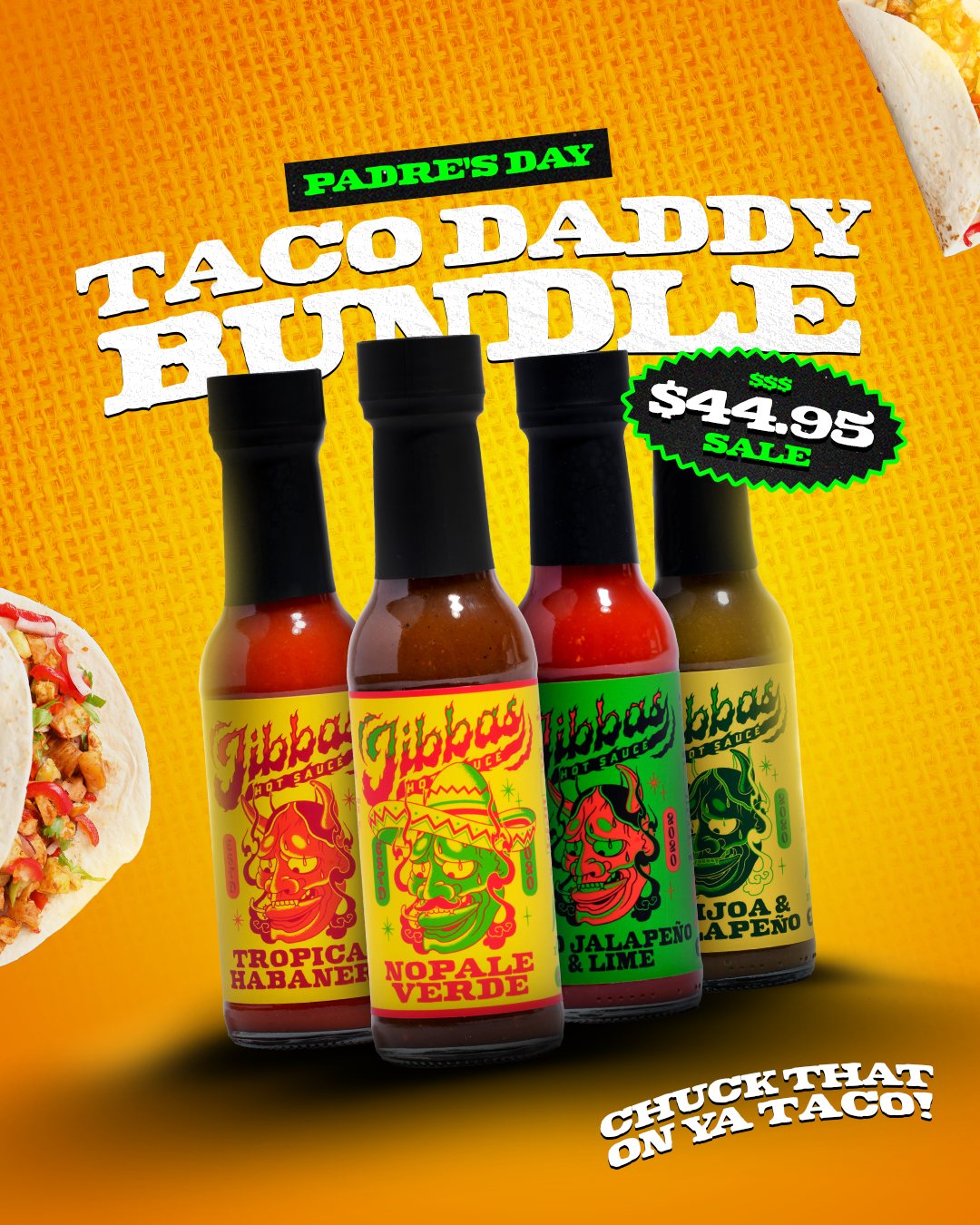
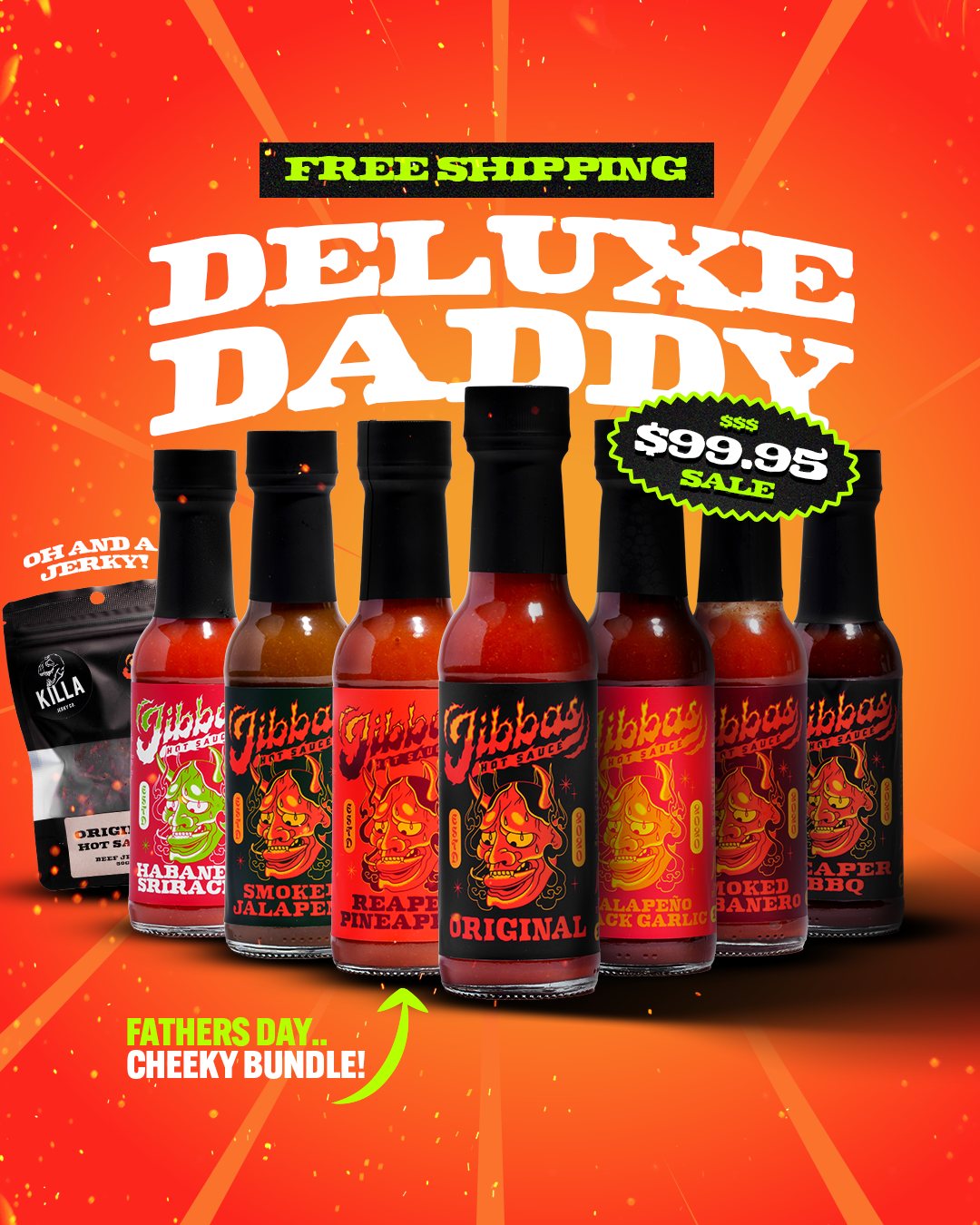
Paid social platforms need a steady supply of creative, and the formats differ from the website: vertical video, square and 4:5 stills, and room for text that does not cover the product. The creative that performs is usually specific: the product being used, a clear reason to buy, real customer words where you have permission to use them. In the campaigns we have run for Jibba's Hot Sauce and BlueAnt, the ads were built from product photography, customer reviews and seasonal offers, with no generic brand imagery.
We would rather plan a shoot that produces fifteen usable ad variations than three perfect hero images, because the campaign results will show which ones work.
Short-form video
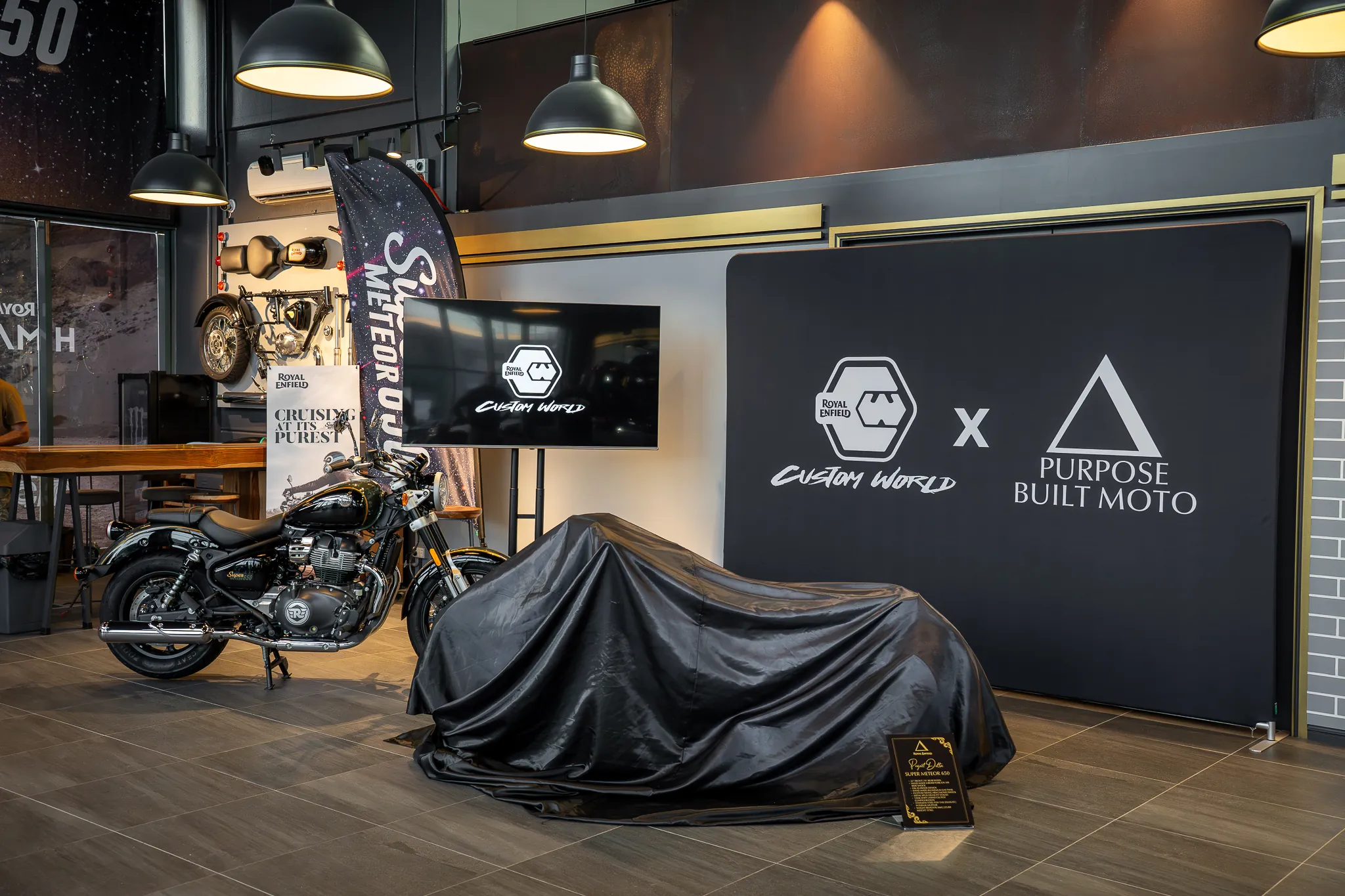
Most paid social placements now expect short video, but it does not need to be expensive. Useful clips are often simple: the product being opened, used, worn or assembled; a close detail moving in the light; a quick comparison of sizes or colours. Planned as part of a photography shoot, they add relatively little time. Event and launch content works the same way. At Purpose Built Moto we photographed a custom bike reveal, which produced both product and event images from one session.

Crops, ratios and volume
Decide the crops before the shoot, not after. If a product will appear in a square grid, a vertical ad and a wide banner, it needs to be shot with enough space around it for all three. Agree a consistent background, angle and lighting for catalogue images so new products added later still match.
On volume, it helps to calculate the number of finished assets rather than the number of photos. A range of twenty products, each needing four catalogue images, two lifestyle images and one vertical clip, is 140 deliverables before any campaign content.
Photography is a separate job from interior design
Some of the photography FORJ produces is in retail spaces. The Camilla store opening in Armadale, for example, was photography only. Where FORJ photographs a store, it does not mean FORJ designed it, and we keep the two clearly separate on our own site.
Where to start
If your product images are not working, look at the questions customers ask and the reasons they return products. They usually show exactly what the images are not explaining. Our article on ecommerce mistakes that hurt conversion covers weak product content alongside the other common store problems, and brand storytelling covers how content fits a wider brand.
Tell us what you're selling, where the content needs to run and when it needs to be live. Our content work covers product, lifestyle and campaign photography and video, planned around the ecommerce channels it has to serve.
Sources
- Google Merchant Center Help, Image link [image_link]. Checked .