
When an ecommerce brand wants to grow, the first instinct is usually to spend more on ads. Before recommending that, we review seven things that decide whether extra spend will pay off: the product and margin mix, the offer, product and collection pages, conversion, creative, retention and repeat purchase, and tracking. Paid acquisition sits around these levers, not above them. If they are in good shape, more spend tends to scale. If they are not, it usually makes the same problems more expensive.
This is the practical checklist behind that review. It is meant for brands that are already advertising and want to know where the next dollar of effort should go.
1. Product and margin mix
Not every product deserves the same push. Some products have healthy margins, sell well and bring customers back. Others are discounted, expensive to ship or rarely reordered.
What we review. Sales and gross margin by product, delivery cost by product, and which products new customers buy first. What it changes. Campaigns, collections and homepage space should favour the products that can carry acquisition cost. Shipping matters here too: for My Divine Home, pricing delivery by product size and region opened up larger pieces that previously could only be collected in store.
2. The offer
The offer is everything that gives someone a reason to buy now: price, bundles, free delivery thresholds, gifts with purchase, guarantees, launch timing. A weak or confusing offer makes every ad work harder.
What we review. How the offer compares with competitors, whether free delivery thresholds suit typical order values, and whether promotions are clear on the product page and at checkout. What it changes. Sometimes a simple bundle or a better delivery threshold improves results more than a new campaign. When BlueAnt moved into direct-to-consumer sales, Black Friday was treated as the launch of the channel rather than another sale, which shaped how the account was built; the BlueAnt case study explains how.
3. Product and collection pages
These are the pages ads and search send people to. If they are unclear, slow or missing information, every visitor is harder to convert.
What we review. Images, product information, delivery details and the add-to-cart experience on mobile; collection structure and filters. What it changes. Often the highest-return work is on the top twenty products and the main collections, not a full redesign.
4. Conversion
What we review. Conversion rate by device, traffic source and landing page; drop-off between product page, cart, checkout and payment; site speed. What it changes. A clear drop-off point tells you where to work. Our article on ecommerce mistakes that hurt conversion covers the common causes in detail.
5. Creative
On paid social especially, creative has become one of the main levers an advertiser still controls directly, as the platforms automate more of the targeting and bidding.
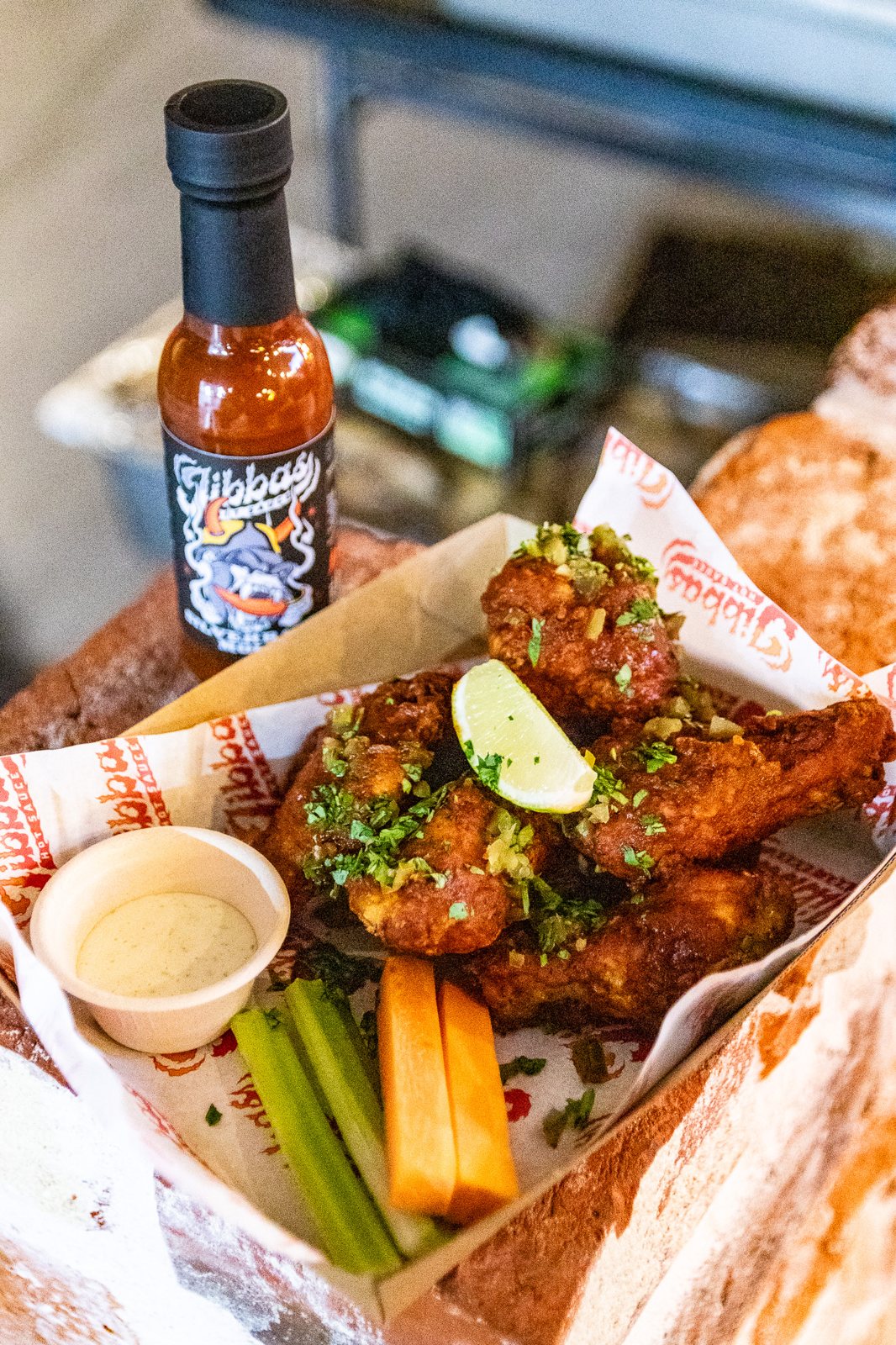
What we review. How many creative variations are running, how recently they were refreshed, which formats are covered, and whether the ads show the product clearly with a reason to buy. What it changes. A regular supply of new creative, planned from product photography and real customer language, can do more than a budget increase. The seasonal and offer-led ads we have run for Jibba's Hot Sauce and BlueAnt are examples of creative planned around a specific moment.



6. Retention and repeat purchase
Acquiring a customer usually costs the most on the first order. If they never come back, growth depends entirely on buying new customers.
What we review. Repeat purchase rate, time between orders, email and SMS flows (welcome, post-purchase, replenishment, win-back), and the delivery and returns experience. What it changes. Better retention raises what the business can afford to spend acquiring each customer. Email and SMS need to meet the Spam Act requirements for consent and unsubscribing, which the ACMA sets out here.
7. Tracking and measurement
What we review. Whether purchases are recorded once, with the right value, in analytics and each ad platform; whether totals reconcile with the store; whether new and returning customers can be separated. What it changes. With accurate data, spend can be moved towards what genuinely works. Without it, platforms optimise towards noise. Our article on marketing KPIs that matter sets out the numbers we report on.
Where paid acquisition fits
Once those levers are in reasonable shape, scaling paid media is a much safer decision. We would increase spend gradually on the campaigns, products and creative that are already profitable, watch cost per acquisition and contribution margin as volume grows, and keep testing new creative so performance does not depend on a few ads.
There is no universal benchmark for how much to spend or what return to expect. The right level depends on margin, repeat purchase and how quickly the business can fulfil more orders. Our article on how we structure an ecommerce growth funnel shows how acquisition, conversion and retention connect.
Before increasing spend, we can review whether the store, offer, creative and tracking are ready to support it. Our ecommerce work covers the store and offer, and our paid media work covers campaign structure and spend.
Sources
- Australian Communications and Media Authority, Avoid sending spam. Checked .